
Introduction
Industrial efficiency depends on reliable equipment, accurate control, and smooth coordination between machines. A professional Control Panel Manufacturer in Delhi helps industries manage electrical systems, automate processes, and improve operational performance. Well-designed control panels provide centralized control over machinery and equipment, helping businesses reduce downtime and maintain consistent production.
VHCPL Automation India Pvt. Ltd. understands the importance of dependable industrial automation solutions. Choosing the right control panel manufacturer can help businesses improve productivity, maintain operational safety, and support long-term growth.
For more information, chat with us directly on WhatsApp.
What Is the Role of an Industrial Control Panel?
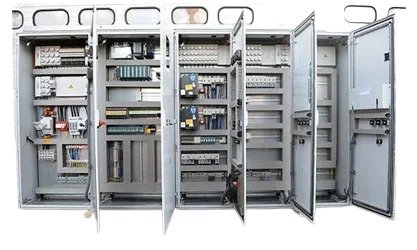
An industrial control panel houses electrical components that manage, monitor, and regulate machinery. Depending on the application, it may include circuit breakers, contactors, relays, motor starters, programmable logic controllers (PLCs), and other control devices.
These components work together to coordinate industrial operations. They also help operators monitor equipment and respond to operating issues more efficiently.
A properly designed control panel can simplify machine operation, improve process consistency, and support better use of electrical equipment.
How a Control Panel Manufacturer in Delhi Improves Industrial Efficiency
1. Better Process Automation
Automation reduces the need for repetitive manual operations. Control panels help coordinate machines, manage operating sequences, and maintain consistent production processes.
For example, automated control systems can regulate motors, pumps, conveyors, and other industrial equipment. This allows businesses to streamline workflows and reduce avoidable delays.
An experienced Control Panel Manufacturer in Delhi can help businesses identify suitable panel configurations based on their equipment, production requirements, and automation goals.
2. Reduced Equipment Downtime
Unexpected equipment failures can interrupt production and increase operating costs. Properly selected electrical components and well-organized control systems help reduce the risk of avoidable disruptions.
Control panels can also incorporate suitable protection devices to help identify or isolate certain electrical faults. This supports safer operation and can simplify troubleshooting.
Regular inspection and preventive maintenance remain essential for keeping control systems reliable.
3. Improved Electrical Safety
Electrical safety is a key consideration in every industrial facility. Control panels designed for the intended application can incorporate appropriate protective devices, grounding arrangements, and enclosures.
These features help protect equipment and reduce electrical hazards when correctly selected, installed, and maintained.
A professional manufacturer considers the operating environment, electrical load, applicable standards, and safety requirements during the design process. This helps businesses establish a more dependable electrical control system.
4. Consistent Production Quality
Manual processes can lead to variations in operating speed, timing, and output. Automated control panels help maintain repeatable operating sequences and more consistent machine performance.
This is especially useful in manufacturing plants where several machines must work together. Consistent control can reduce process variations, limit avoidable errors, and support better production planning.
5. Efficient Energy Management
Industrial machinery can consume significant amounts of electricity. Appropriate control strategies help businesses operate equipment according to actual production requirements.
Depending on the application, control panels may support motor control, scheduled operation, and integration with variable frequency drives (VFDs). These solutions can help reduce unnecessary energy consumption when correctly specified and configured.
An experienced control panel manufacturer can recommend suitable components based on the machinery, operating conditions, and energy-management objectives.
Choosing the Right Control Panel Manufacturer in Delhi
Selecting a manufacturer involves more than comparing prices. Businesses should evaluate technical expertise, component quality, customization capabilities, and after-sales support.
Consider the following factors before making a decision:
- Technical experience: Look for experience with industrial electrical systems and automation applications.
- Customization: Choose solutions designed around your machinery, electrical load, and production requirements.
- Quality components: Check that components are suitable for the intended application and operating conditions.
- Safety and compliance: Confirm that the design considers relevant electrical standards and protection requirements.
- Testing and support: Ask about inspection, testing, documentation, installation assistance, and maintenance support.
The right manufacturer should understand your operational challenges and recommend a practical solution rather than a one-size-fits-all design.
Why Industrial Businesses Need Reliable Control Panel Solutions
Every industrial facility has different automation needs. A manufacturing plant may require coordinated machine control, while a processing facility may need accurate monitoring and control of pumps, motors, and other equipment.
Reliable control panels help bring these functions together in an organized system. They can also support future upgrades when designed with appropriate capacity and expansion requirements in mind.
VHCPL Automation India Pvt. Ltd. focuses on industrial automation and control panel solutions that address the technical needs of businesses. Working with an experienced provider can help organizations plan their control systems more effectively and support dependable day-to-day operations.
Conclusion
A reliable control panel plays an important role in improving industrial efficiency. It supports automation, helps maintain consistent production, improves electrical protection, and enables better equipment management.
Choosing an experienced Control Panel Manufacturer in Delhi allows businesses to obtain control panel solutions suited to their machinery and operating requirements. With proper design, quality components, regular maintenance, and suitable automation strategies, industrial facilities can improve operational reliability and build a stronger foundation for long-term productivity.
Frequently Asked Questions (FAQs)
1. How do industrial control panels improve efficiency?
Industrial control panels coordinate machinery, automate repetitive tasks, and support consistent operating processes. They can also simplify monitoring and troubleshooting.
2. Which industries use industrial control panels?
Manufacturing, packaging, processing, water treatment, material handling, and other industrial sectors use control panels to manage electrical equipment and automated processes.
3. Can control panels be customized for specific industrial requirements?
Yes. Control panels can be designed according to equipment specifications, electrical loads, automation requirements, operating environments, and future expansion needs.
4. What should I check before choosing a control panel manufacturer in Delhi?
Evaluate technical experience, component quality, customization options, safety considerations, testing procedures, documentation, and after-sales support.
5. Do control panels help reduce energy consumption?
They can. Depending on the application, appropriate motor controls, VFDs, scheduling, and automation strategies can help reduce unnecessary energy use. Actual savings depend on the equipment and operating conditions.
For more information about VHCPL Automation India Pvt. Ltd., visit https://share.google/aBZAw2Sv0L83sWoFm to learn more about their services or to book an appointment.