
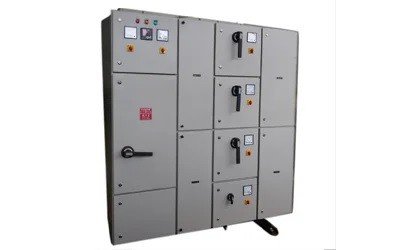
Industrial control panels play an important role in managing electrical power, controlling machinery, and supporting automated operations. Choosing experienced Control Panel Box Manufacturers in Delhi NCR is essential for industries that require safe, efficient, and reliable electrical systems. A properly designed control panel combines suitable electrical components, protective devices, organised wiring, and a durable enclosure to support consistent performance.
Every industrial application has different electrical requirements. Therefore, panel design should consider the connected load, operating conditions, safety requirements, and future expansion needs. Understanding these technical aspects helps businesses select the right control panel solution.
For more information, chat with us directly on WhatsApp.
Understanding Industrial Control Panel Design
An industrial control panel is an electrical assembly that houses components used to control, distribute, and monitor electrical systems. It provides a central point for managing industrial equipment and machinery.
Depending on the application, control panels may be used for power distribution, motor control, process automation, and equipment protection.
Professional Control Panel Box Manufacturers in Delhi NCR consider several factors during the design process, including:
- Electrical load requirements and power ratings.
- Short-circuit protection and fault management.
- Operating voltage and current capacity.
- Component arrangement and accessibility.
- Enclosure size and environmental conditions.
- Ventilation and heat management.
These considerations help create panels that match specific industrial operating requirements.
Essential Components Used in Industrial Control Panels
The performance of an electrical control panel depends on the quality and compatibility of its internal components. Each component performs a specific function within the electrical system.
1. Circuit Breakers and Protection Devices
Circuit breakers protect electrical circuits against overloads and short circuits. MCBs, MCCBs, and ACBs are selected according to the system’s electrical ratings and protection requirements.
2. Contactors and Relays
Contactors are used for switching electrical loads, particularly motors and industrial equipment. Relays support control operations by responding to specific electrical signals or operating conditions.
3. Busbars and Distribution Systems
Busbars distribute electrical power between different circuits inside the panel. Their material, cross-sectional area, current capacity, and installation arrangement must be selected according to the electrical design.
4. Control and Automation Devices
PLC controllers, timers, sensors, and other control devices help automate industrial processes. They improve operational consistency and reduce the need for manual intervention.
5. Terminal Blocks and Wiring Accessories
Terminal blocks provide organised connections between incoming and outgoing electrical circuits. Proper cable routing, identification, and termination make maintenance easier.
Important Technical Specifications for Control Panel Boxes
Selecting the correct enclosure is an important part of industrial panel manufacturing. The enclosure protects internal components from external conditions and supports safe operation.
When evaluating Control Panel Box Manufacturers in Delhi NCR, consider these technical specifications:
Enclosure Material: Mild steel and stainless steel are commonly used depending on the application, installation environment, and protection requirements.
IP Protection Rating: The required IP rating depends on exposure to dust, moisture, and other environmental conditions.
Panel Dimensions: The enclosure should provide sufficient space for components, wiring, ventilation, and future maintenance.
Thermal Management: Electrical components generate heat during operation. Suitable ventilation or cooling arrangements help maintain acceptable operating temperatures.
Cable Entry and Routing: Proper cable glands, entry points, and internal routing help maintain organised wiring and protect connections.
These specifications should be finalised according to the installation location and electrical design requirements.
Design Considerations for Safe and Efficient Panel Manufacturing
A well-designed panel requires more than assembling electrical components inside an enclosure. Its layout and construction directly affect safety, accessibility, and maintenance.
Experienced Control Panel Box Manufacturers in Delhi NCR consider the following design aspects:
- Component Layout: Components should be positioned logically to simplify operation and maintenance.
- Electrical Clearance: Adequate spacing helps maintain insulation and reduce electrical risks.
- Earthing Arrangement: Proper protective earthing supports electrical safety.
- Wiring Management: Cable ducts, ferrules, and identification labels help organise internal connections.
- Heat Dissipation: Component placement should allow suitable airflow and thermal management.
- Future Expansion: Additional space may be required for modifications or new equipment.
Following suitable engineering practices helps improve panel reliability and maintainability.
Importance of Testing and Quality Control
Testing is an essential stage before an industrial control panel is commissioned. It helps identify assembly issues and verify that the panel meets its intended design requirements.
Common inspection and testing activities include:
- Visual inspection of components and enclosure construction.
- Verification of wiring connections and terminal markings.
- Continuity and protective earthing checks.
- Insulation resistance testing, where applicable.
- Functional testing of control circuits.
- Verification of protection settings and operating sequences.
The testing procedure should follow applicable electrical standards and project specifications. Proper documentation also supports installation, troubleshooting, and future maintenance.
Choosing Reliable Control Panel Box Manufacturers in Delhi NCR
Selecting the right manufacturing partner is important for long-term electrical system performance. Businesses should evaluate the manufacturer’s engineering capabilities, component selection, manufacturing processes, and quality control practices.
Look for a manufacturer that offers customised designs, technical support, reliable components, and solutions suited to specific industrial requirements.
VHCPL Automation India Pvt. Ltd. specialises in electrical, industrial, and automation control panel solutions. Its product range includes power distribution panels, PLC panels, MCC panels, PCC panels, ACB panels, LT panels, and other specialised electrical panels.
With a focus on engineering quality, customised solutions, and reliable manufacturing, VHCPL Automation India Pvt. Ltd. supports industrial and commercial electrical requirements.
Conclusion
Industrial control panel performance depends on proper engineering, suitable components, enclosure selection, and systematic testing. Understanding these technical requirements helps businesses make informed decisions when selecting Control Panel Box Manufacturers in Delhi NCR.
VHCPL Automation India Pvt. Ltd. focuses on manufacturing electrical and automation panels designed around application-specific requirements. Choosing an experienced manufacturer can help support electrical safety, operational efficiency, and dependable industrial performance.
Frequently Asked Questions (FAQs)
1. What are the main components of an industrial control panel?
Common components include circuit breakers, contactors, relays, busbars, PLCs, terminal blocks, and wiring accessories.
2. What factors determine the size of a control panel box?
Electrical load, component dimensions, wiring space, heat generation, installation conditions, and future expansion requirements determine enclosure size.
3. Why is the IP rating important for control panel boxes?
The IP rating indicates the level of protection provided against solid particles and water. The appropriate rating depends on the installation environment.
4. What is the difference between PLC and MCC panels?
PLC panels are primarily designed for automation and process control, while MCC panels manage and control multiple electric motors.
5. Why is control panel testing necessary?
Testing helps verify wiring connections, electrical safety, component functionality, and overall compliance with project requirements.
For more information about VHCPL Automation India Pvt. Ltd., visit https://share.google/aBZAw2Sv0L83sWoFm to learn more about their services or to book an appointment.